
What to Wear to Pole Class (and What Not To)
Exactly what to wear to your first pole class, why leggings do not work, and the one thing to skip on class day.
Starting your pole dancing journey at Intice Dance Fitness in St. Petersburg, FL is exciting, and you probably have questions about what to wear. The right clothing can make a huge difference in your comfort, safety, and ability to progress. Unlike many fitness classes where anything goes, pole dancing has specific attire recommendations that actually help you succeed. Let's break down everything you need to know about dressing for your first pole dancing class.
WHY CLOTHING MATTERS IN POLE DANCING
When you're learning pole dancing, your skin needs to grip the pole for safety and control. Wearing the right clothes ensures maximum contact with the pole while allowing your instructor to see your body alignment and form. Proper attire also helps prevent injuries and boosts your confidence as you learn new moves. At Intice Dance Fitness, our instructors understand that beginners often feel nervous, and wearing appropriate clothing helps you focus on the movements rather than worrying about your outfit.
TOPS AND BOTTOMS FOR POLE DANCING
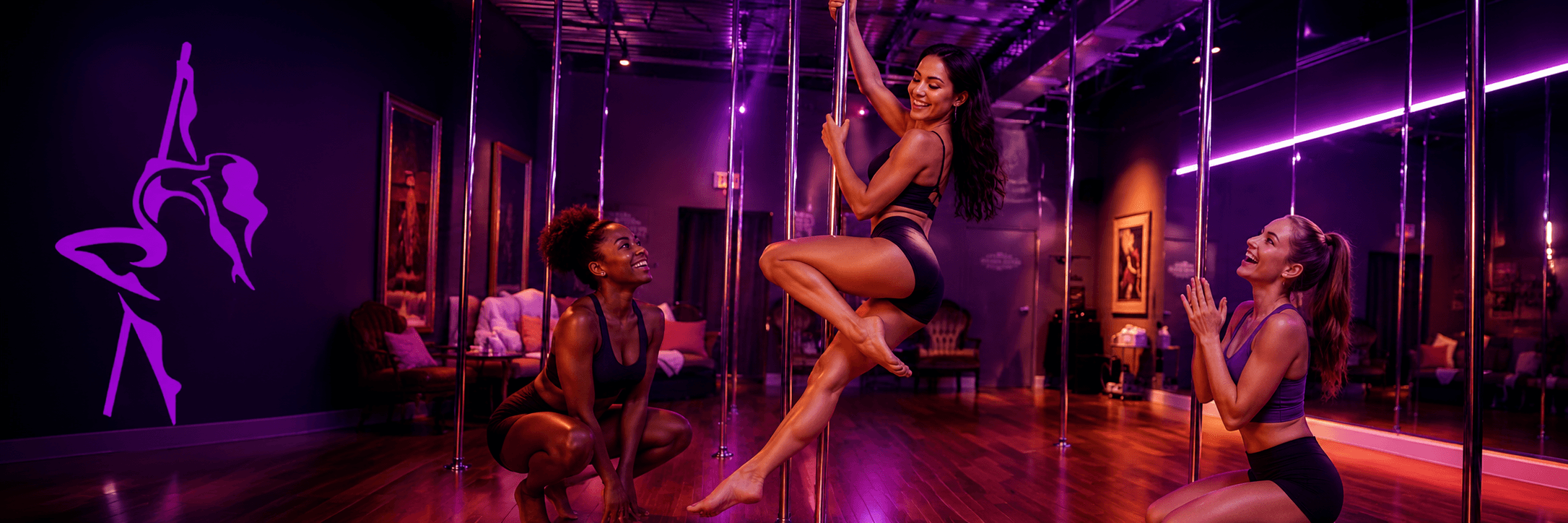
For your upper body, wear a sports bra or tank top that exposes your midriff and shoulders. You need skin contact on your arms, shoulders, and torso to grip the pole effectively. Many pole dancers wear crop tops, tank tops without sleeves, or sports bras paired with a light jacket for arriving and leaving the studio. Avoid baggy t-shirts, long sleeves, or anything that covers your shoulders, as these create barriers between your skin and the pole.
For the bottom half, wear shorts that are mid-thigh length or shorter, allowing your inner thighs and legs to contact the pole. Booty shorts, athletic shorts, or bike shorts work perfectly. Some pole dancers wear leggings or yoga pants to their first class for comfort, but know that you'll eventually need shorter bottoms as you progress. Avoid full-length pants, capris, or anything that restricts your movement or covers too much skin.
FOOTWEAR AND GRIP CONSIDERATIONS
Many beginners ask whether they need special shoes for pole dancing. The answer is no, but you do have options. Most pole dancers wear either bare feet or pole dancing shoes specifically designed for the activity. Bare feet are perfectly acceptable and actually preferred by many dancers since they provide direct contact with the pole and floor. If you prefer coverage, pole dancing heels or shoes are designed with smooth soles that don't stick to the pole like rubber gym shoes would.
Never wear regular sneakers, gym shoes, or anything with a thick, grippy sole. These actually work against you by sticking to the pole and preventing smooth spins and transitions. If wearing bare feet feels too exposed for your first class, wear socks or grip socks designed for pole dancing. As you become more comfortable, you'll likely transition to bare feet or proper pole shoes.
WHAT NOT TO WEAR TO POLE CLASS
Understanding what to avoid is just as important as knowing what to wear. Skip anything with zippers, buttons, or metal hardware that could scratch the pole or you. Avoid jewelry that could get caught or cause injury, including rings, bracelets, and long necklaces. Don't wear anything too loose that could slip during inverted moves. Avoid deodorant or lotions that create a slippery barrier between your skin and the pole. This might seem like a lot of restrictions, but these guidelines exist to keep you safe and help you progress confidently.
DRESSING FOR SUCCESS AT INTICE DANCE FITNESS
At Intice Dance Fitness in St. Petersburg, our beginner pole dancing classes welcome you exactly as you are. If you're unsure about what to wear, our experienced instructors are happy to answer questions before your first class. Many students arrive in workout clothes and feel completely comfortable as they realize everyone is there to support each other's journey. The right outfit sets you up for success, builds your confidence, and makes your pole dancing experience enjoyable from day one.
Ready to start your pole dancing adventure? Visit Intice Dance Fitness in St. Petersburg today and experience the empowering community of our beginner-friendly pole dancing classes where you'll feel welcomed and supported every step of the way.
You Might Also Like